
03/Core capability
Plastic Injection Moulding
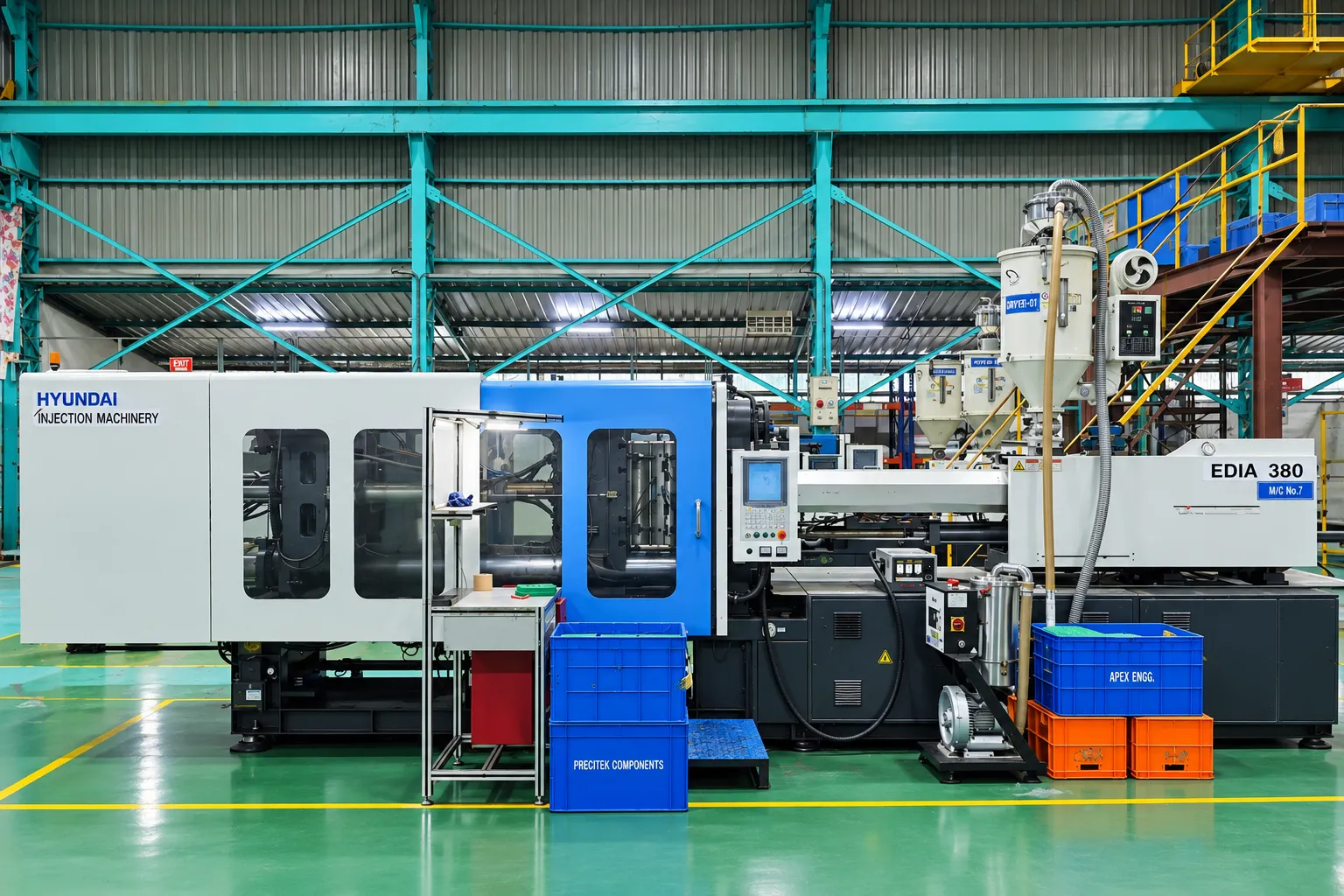
Injection moulding of engineering plastic components on 50T–380T horizontal, vertical and all-electric machines, for prototype batches and regular production, from moulds we build and maintain ourselves.
Overview
Injection moulding services backed by our own toolroom
A consistent moulded part depends on three things: a well-built mould, the right machine, and a process that is set and held.
We run your parts on machines from 50T to 380T, chosen to suit the part’s projected area, shot weight and the mould. Because the moulds are designed and built in our toolroom, tool corrections and maintenance happen alongside the machines instead of being sent out.
Typical work ranges from pilot batches during development to repeat production of connector bodies, housings, enclosures, covers and insert-moulded parts.
| Parameter | Capability |
|---|---|
| Clamping force | 50T to 380T |
| Machine types | Horizontal, vertical and all-electric |
| Insert moulding | Vertical machines with rotary table for insert loading |
| Volumes | Prototype and sample runs through to series production |
| Polymers | PA6, PA66, POM, ABS, PC, PBT, PP |
| Tooling | Single and multi-cavity moulds built in-house |
Process
How your parts are moulded
Material preparation
Material is checked against the specified grade and dried where the polymer absorbs moisture, as PA, PBT and PC do.
Mould setting
The mould is mounted, cooling connected and the machine chosen to suit the tool and shot size.
Process setting
Injection speed, pressure, hold and cooling are set, and first-off parts are checked before the run is released.
Production
Parts are moulded with periodic checks on critical dimensions, flash, sink and appearance.
Inspection & packing
Final checks against the drawing, then packing suited to the part and the delivery route.
Technical capabilities
Moulding options for different part requirements
 Horizontal
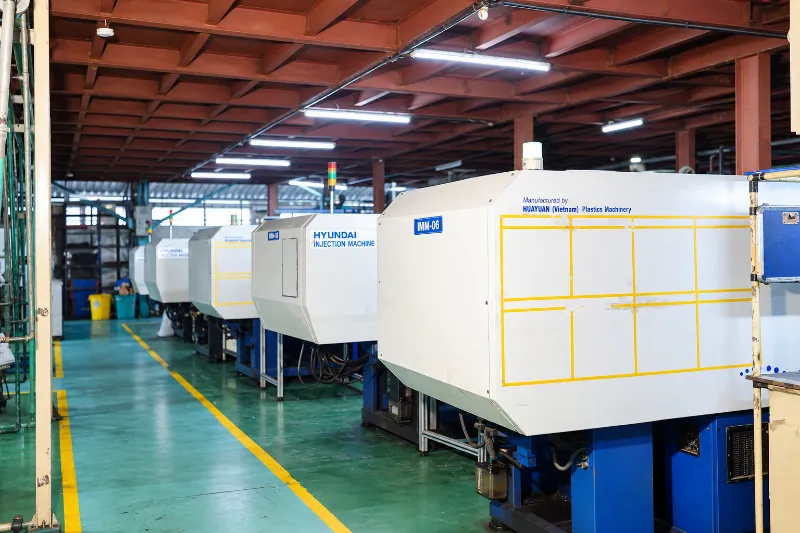
Horizontal injection moulding
The main production route for housings, covers, connector bodies and enclosures across the 50T–380T range.
 Vertical & insert
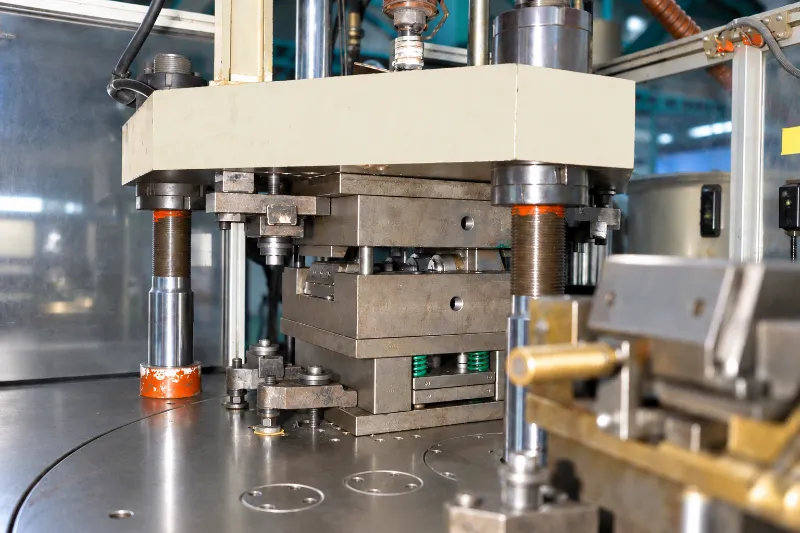
Vertical & insert moulding
Vertical machines with a rotary table for parts where metal inserts are placed into the mould before each shot.
 Multi-cavity
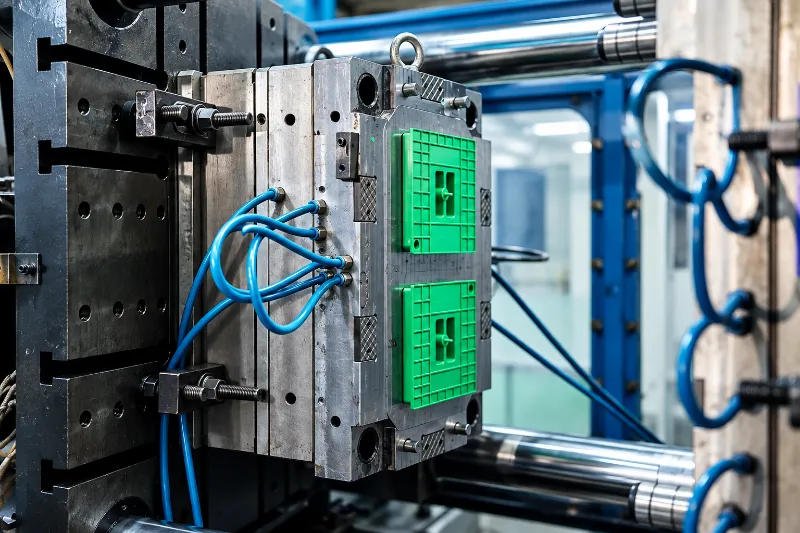
Single & multi-cavity tools
Cavity count is matched to your annual volume, so tooling cost and part price are balanced for the programme.
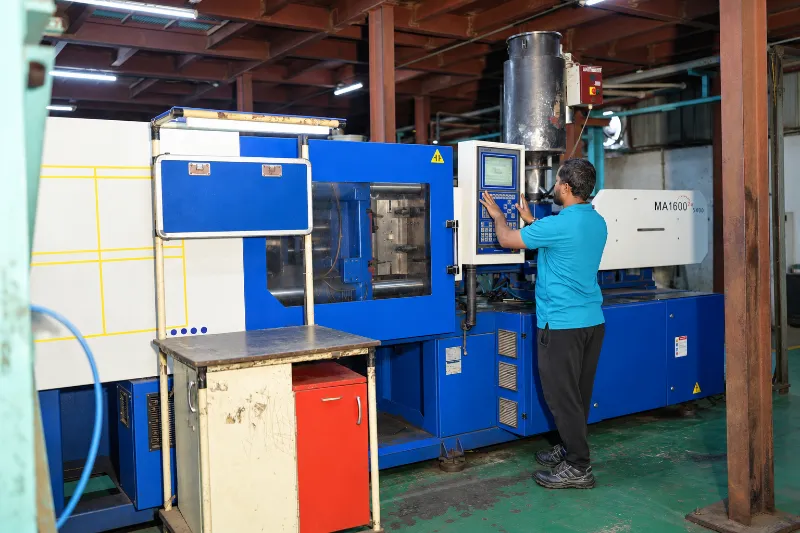 Development
Prototype & sample runs
Sample moulding on production machines so fit, function and material behaviour are proven before volume.
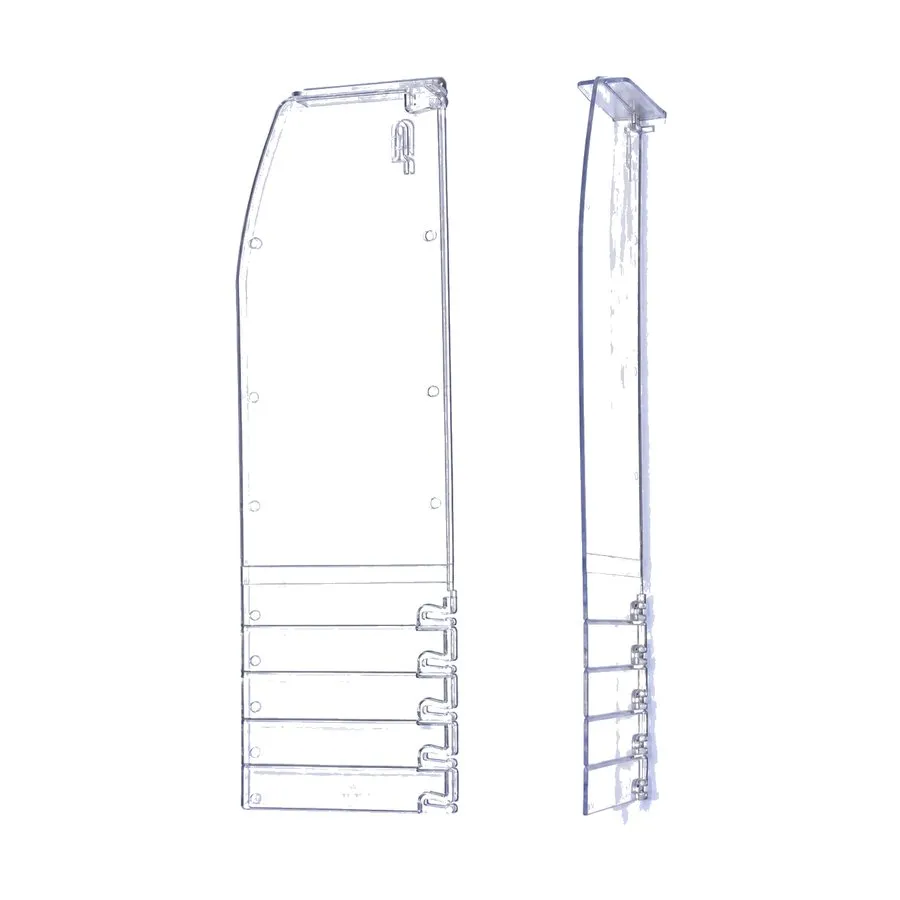 Clear parts
Transparent mouldings
Clear parts where surface finish, flow lines and gate position need extra attention in tool and process.
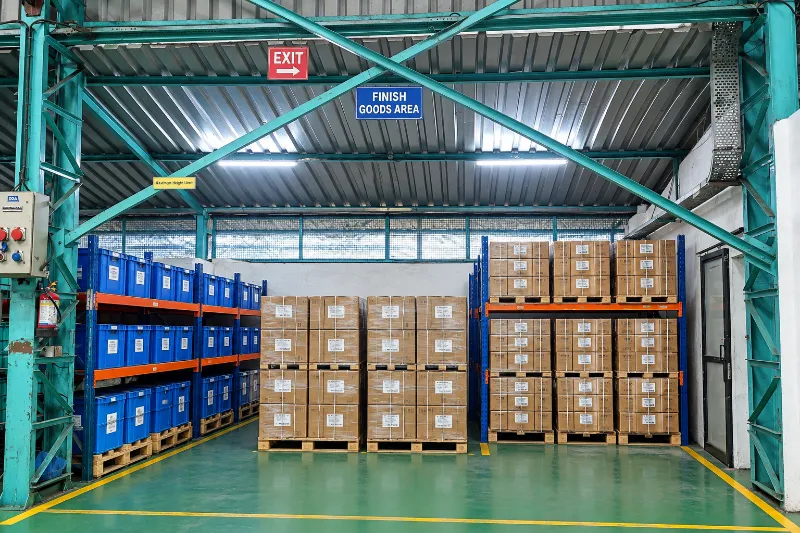 Supply
Repeat production supply
Components moulded, inspected and packed to an agreed schedule for your assembly line.
Materials
Engineering plastics we mould routinely
General guidance on each material. Final grade selection depends on your application, and we review it with you before tooling.
| Polymer | Typical characteristics | Typical uses |
|---|---|---|
| PA6 / PA66 (nylon) | Strength, stiffness and heat resistance; glass-filled grades for structural parts. Must be dried before moulding. | Brackets, housings, clips, structural parts |
| POM (acetal) | Dimensional stability, low friction and good wear resistance. | Sliding and moving parts, clips, bushes |
| ABS | Impact strength, rigidity and good surface finish. | Enclosures, covers, bezels, housings |
| PC (polycarbonate) | High impact strength and optical clarity; used for clear parts. | Transparent covers, guards, lenses |
| PBT | Good electrical properties and dimensional stability. | Connector bodies, electrical components |
| PP (polypropylene) | Chemical resistance, fatigue resistance and low weight. | Caps, living hinges, containers, covers |
Need help choosing? Read Choosing a plastic for industrial components
How an injection mould works
Clamp, inject, open, eject
This simplified two-plate mould shows the stages every shot goes through. Use the buttons to close the mould, open it at the parting line, push the part off with the ejector pins, or separate the plates to see how the tool is built.
An illustrative model, not a specific customer tool.
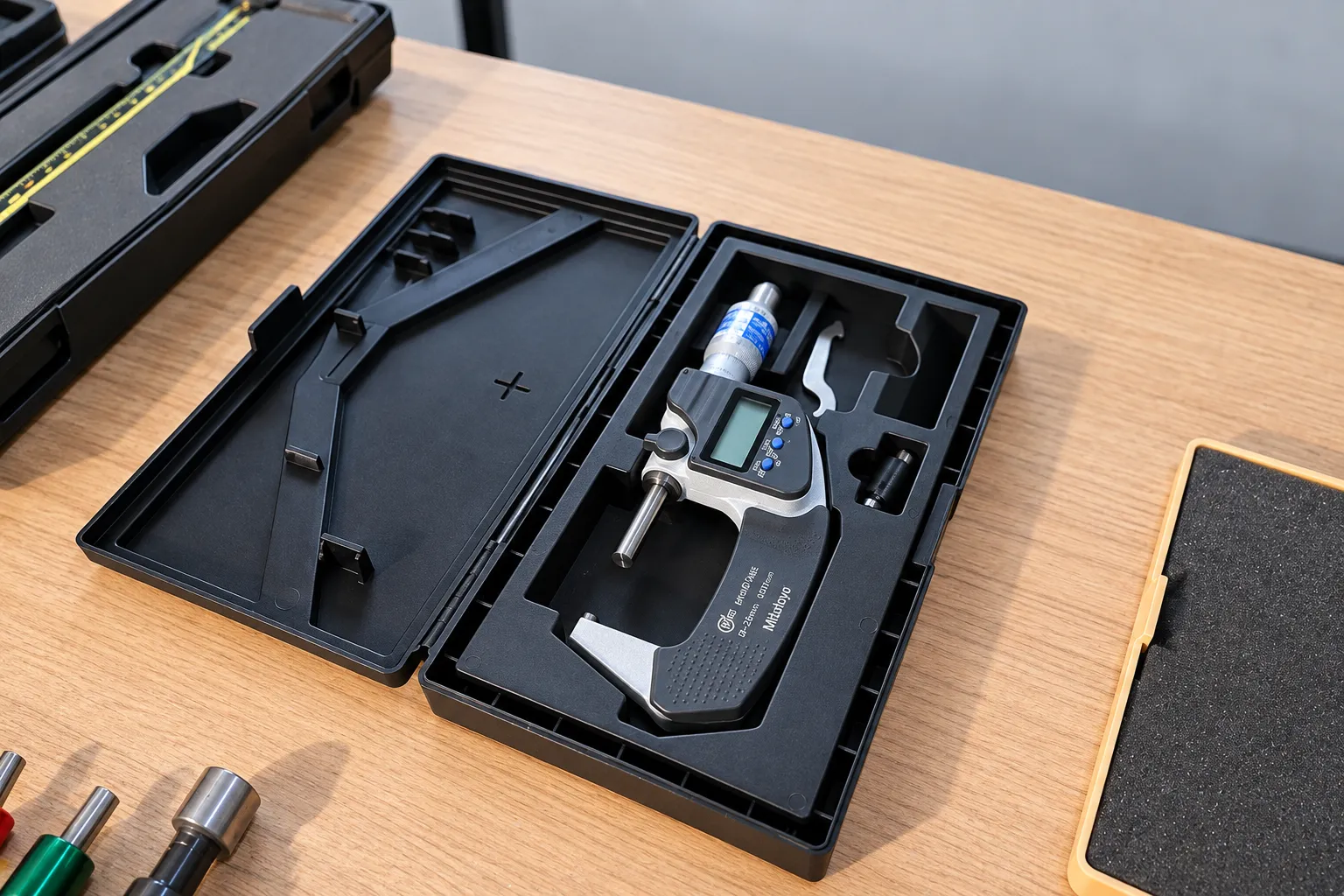
Quality considerations
What we check on moulded parts
- First-off parts measured before a run is released
- Critical dimensions checked at intervals during production
- Visual checks for flash, sink marks, short shots and flow lines
- Material and drying verified for moisture-sensitive polymers
- Final inspection before packing, with records on request
Applications
Where our injection moulded parts go
Related capabilities
What is plastic injection moulding?
Molten polymer is injected into a closed steel mould, held under pressure while it cools, and ejected as a finished part. The cycle repeats for every shot, which makes injection moulding the most economical process for plastic parts once volumes justify the mould. Our practical guide explains the cycle in detail.
What types of components can you mould?
Our current work includes connector bodies and housings, enclosures and terminal housings, covers, panels and clips, earthing pit chambers, insert-moulded components and transparent mouldings. For anything else, send the drawing and we will confirm feasibility.
Which plastics do you process?
We routinely mould PA6, PA66, POM, ABS, PC, PBT and PP. Other grades can be reviewed against your specification before we quote.
What machine sizes do you have?
Our machines range from 50T to 380T clamping force and include horizontal, vertical and all-electric machines. See Machines & Equipment.
Can you mould parts with metal inserts?
Yes. Vertical machines with a rotary table are used where inserts are loaded into the mould before each shot. See insert-moulded components.
What affects the cost of an injection mould?
Part size, number of cavities, undercuts that need sliders or lifters, surface finish, tolerance on critical features, the tool steel and expected tool life, and whether a hot or cold runner is used.
What information do you need to quote?
A 2D drawing and 3D model if available, material grade, annual quantity and batch size, critical dimensions, surface finish and any assembly requirements. Our RFQ checklist covers each item.
Moulding enquiry
Discuss your moulding requirement
Send your part drawing and annual volumes. We will confirm the machine, tooling approach and material, and quote.