
02/Toolroom
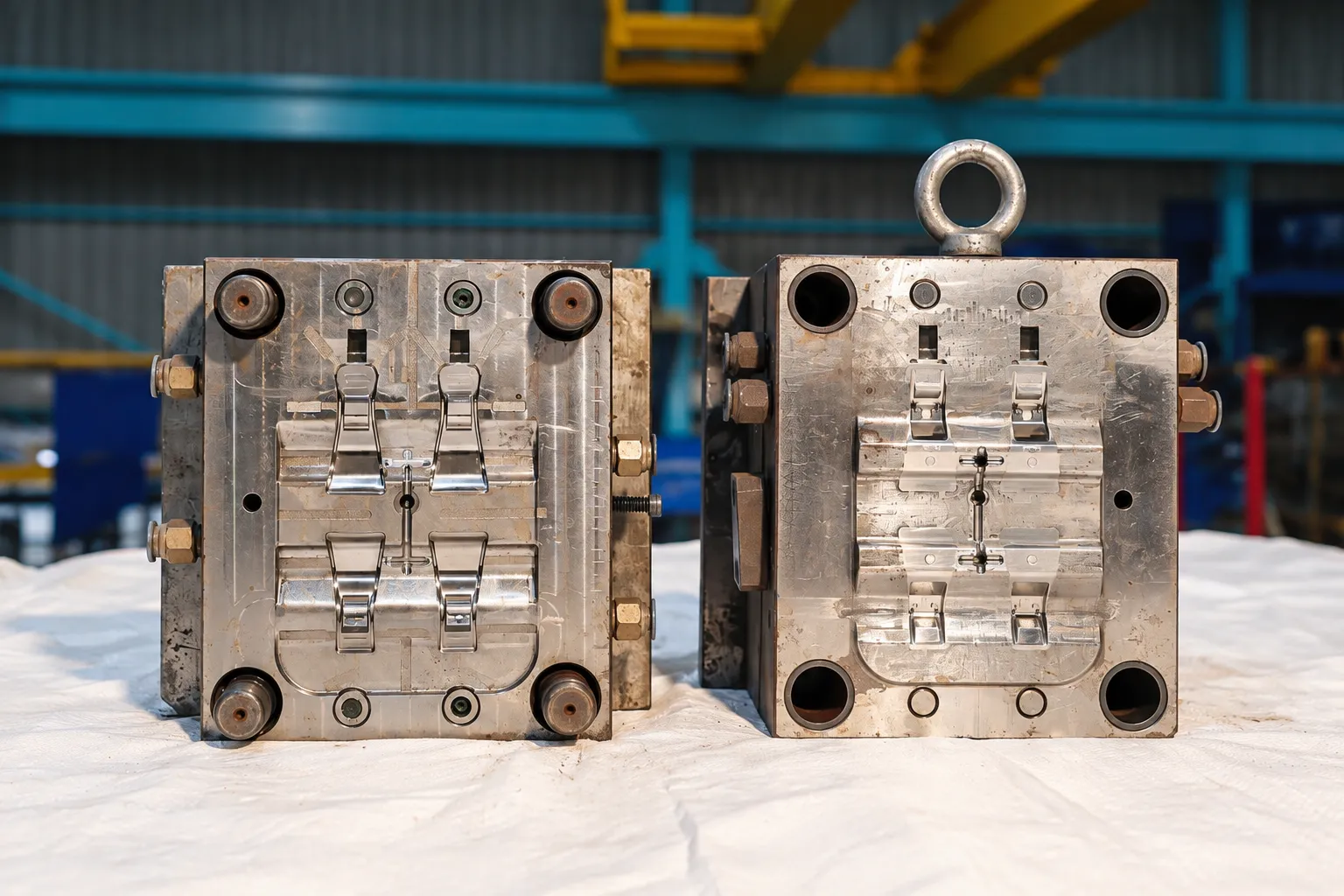
Injection Mould Manufacturing
Prototype and series injection moulds built in our own toolroom, trialled on our own moulding machines and maintained for as long as they run.
Overview
A mould manufacturing company that also runs the moulds
The quality, cycle time and life of a moulded part are decided largely by the tool.
We manufacture prototype and series injection moulds in-house using CNC and VMC machining, EDM and wire EDM, die spotting, and vertical and horizontal CNC gun drilling for cooling channels. Every tool is trialled on a production machine before parts are approved.
Because we also mould with these tools, we design them to be run and maintained, not only to pass the first trial.
| Parameter | Capability |
|---|---|
| Tool types | Prototype tools and series production tools, single and multi-cavity |
| Machining | CNC & VMC machining, EDM & wire EDM |
| Cooling | Vertical and horizontal CNC gun drilling |
| Fitting | Die spotting, polishing and assembly |
| Tool steels | H13, P20, 1.2344, 1.2738 |
| Trial | On our 50T–380T moulding machines |
Tool types
Moulds for each stage of a product
Prototype tools
Simpler tools that produce real moulded parts early, so design and material can be proven before series tooling.
Series production tools
Hardened tools with cooling and ejection laid out for repeatable cycles over long production runs.
Multi-cavity tools
Two or more cavities per shot where annual volume justifies the higher tooling cost.
Insert moulding tools
Tools that locate metal inserts securely, run on vertical machines with a rotary table.
Process
From approved design to approved samples
Design hand-over
The approved mould design is converted into machining data for plates, cavity and core inserts, sliders and lifters.
Machining
CNC and VMC machining of plates and inserts; gun drilling of cooling channels.
EDM & finishing
EDM and wire EDM for fine features, sharp corners and ribs, followed by polishing to the specified finish.
Die spotting & assembly
Parting surfaces spotted for even closure; guide pillars, ejection and cooling assembled and checked.
Trial & approval
Trial on a production machine; samples measured against the drawing and the tool corrected where needed.
Mould construction
What goes into a production mould
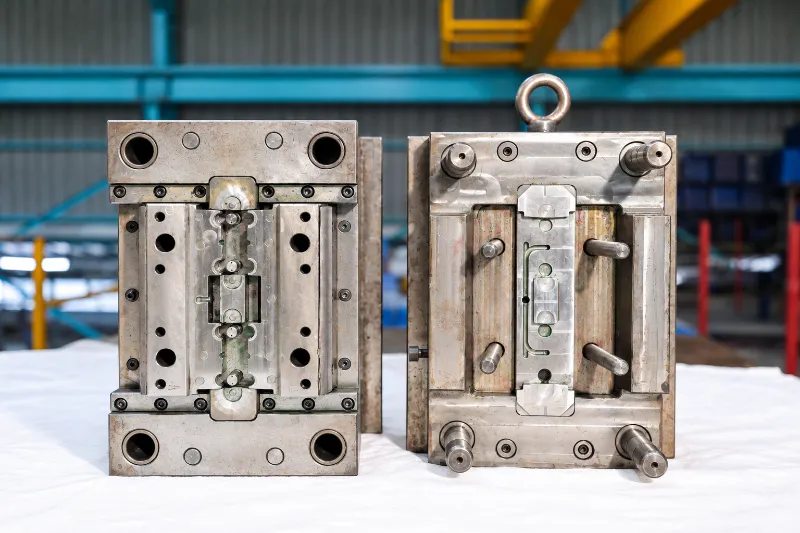
Cavity, core & guides
Cavity and core inserts form the part; guide pillars and bushes keep the halves aligned every cycle.
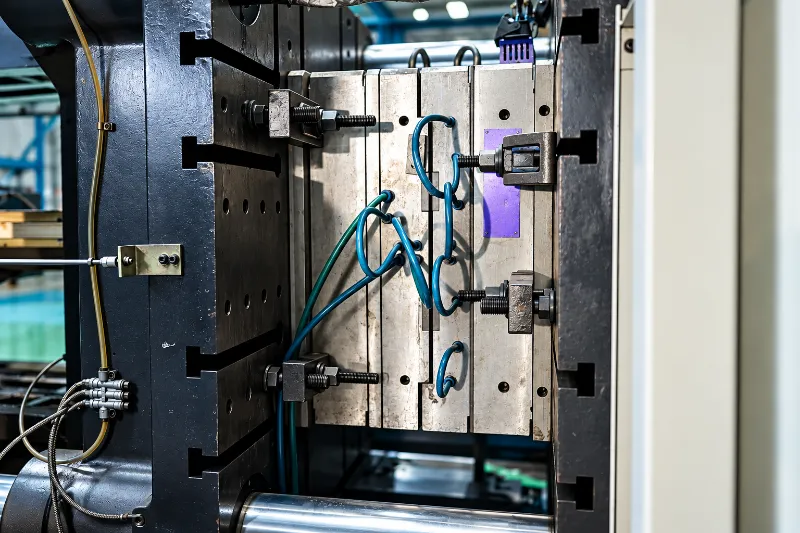
Cooling circuits
Drilled cooling channels control cycle time and warpage; cooling is often the longest part of the moulding cycle.
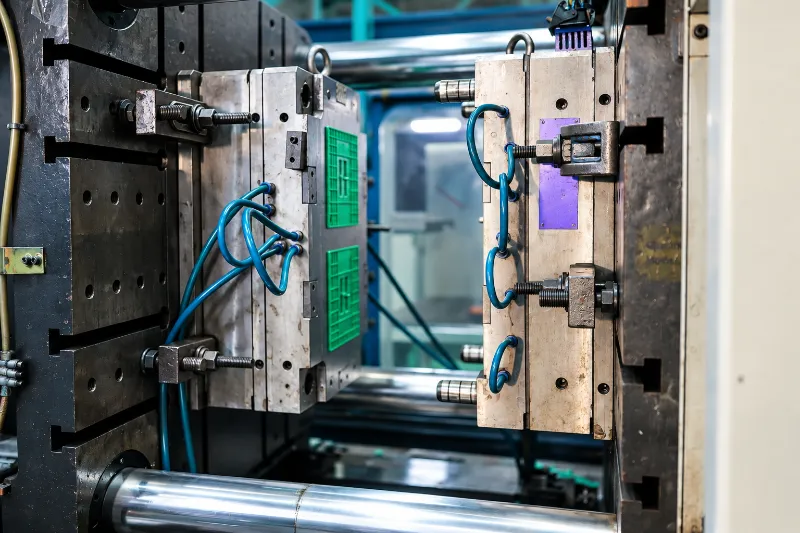
Gating & ejection
Gate position controls filling and weld lines; ejector layout releases the part without distortion.
Quality considerations
How we check a mould before it goes into production
- Closure and fit checked at die spotting and assembly
- Cooling circuits and ejection checked before trial
- Trial on the machine the tool will run on
- First samples measured against the part drawing
- Corrections made in-house and re-sampled until approved
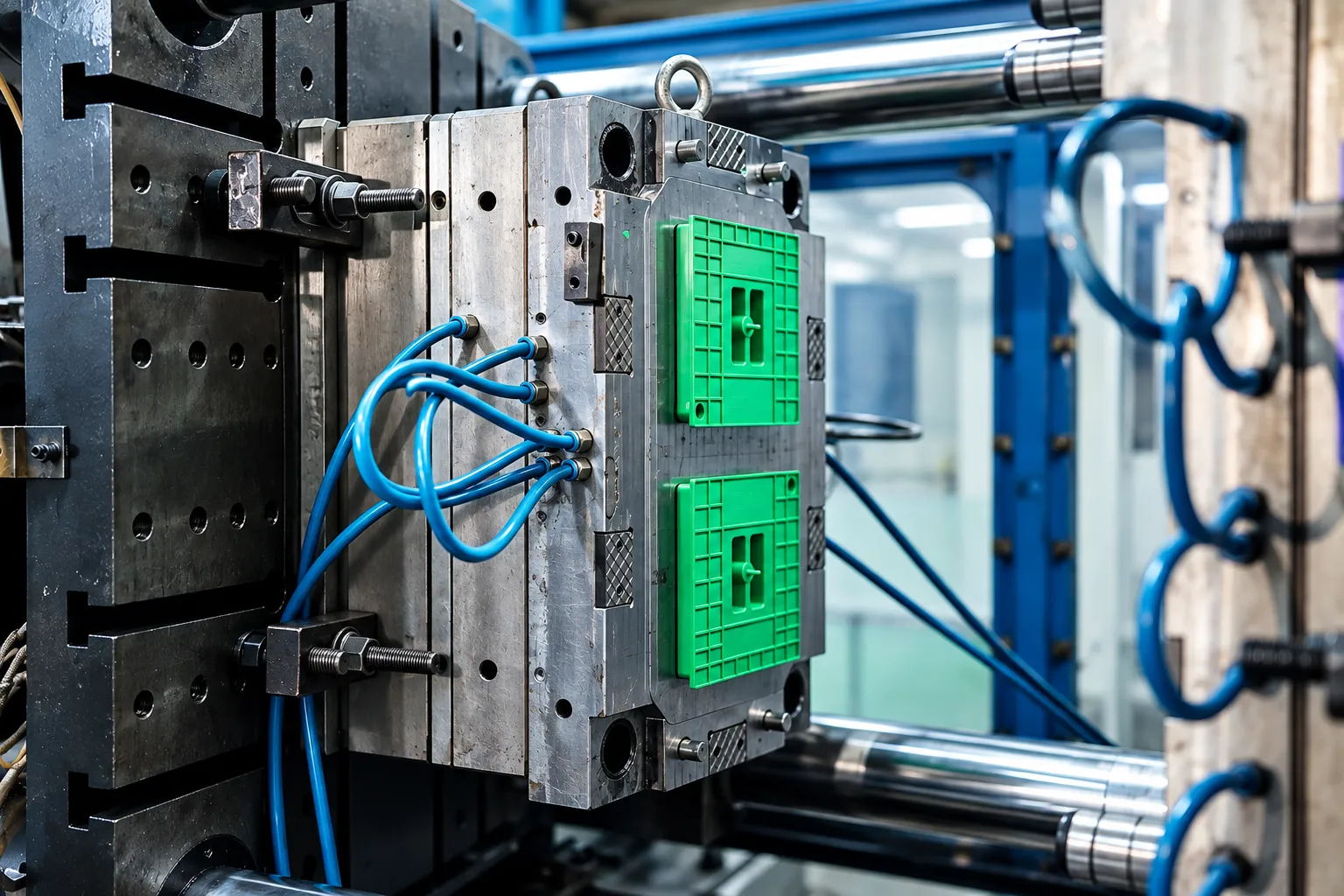
In the toolroom
Building and finishing the mould
Cavities and cores are machined, spark-eroded, ground and hand-finished in our toolroom, then proven with a tool trial before production.

Related
Continue exploring
FAQ
Mould manufacturing: common questions
What information is required to manufacture a mould?
A 3D model of the part (STEP or IGES) and a 2D drawing with critical dimensions and tolerances, the material grade, annual volume, surface finish or texture, and the machine the tool must run on if it is not ours.
How is mould quality checked?
Fit and closure are checked during die spotting and assembly, then the mould is trialled on a production machine. First samples are measured against the part drawing and the tool is corrected if needed before approval.
What factors affect mould life?
Tool steel and hardness, the abrasiveness of the material (glass-filled grades wear tools faster), part geometry, cooling, operating conditions and how regularly the mould is cleaned and maintained.
Can existing moulds be modified?
Share details of the mould and the change you need. We will inspect it and confirm whether the modification is practical before quoting.
Should I choose a single-cavity or multi-cavity mould?
It depends on annual volume, part size and machine. A single-cavity tool costs less and is easier to correct; a multi-cavity tool costs more but lowers the price per part at higher volumes.
Tooling enquiry
Need a prototype or series mould?
Share your part model and volumes for a tooling feasibility review and quotation.