
Practical notes on moulding, tooling and component design
Working guidance from our toolroom and moulding floor: how the process behaves, what drives cost and lead time, and the design decisions that determine whether a component runs well in production.
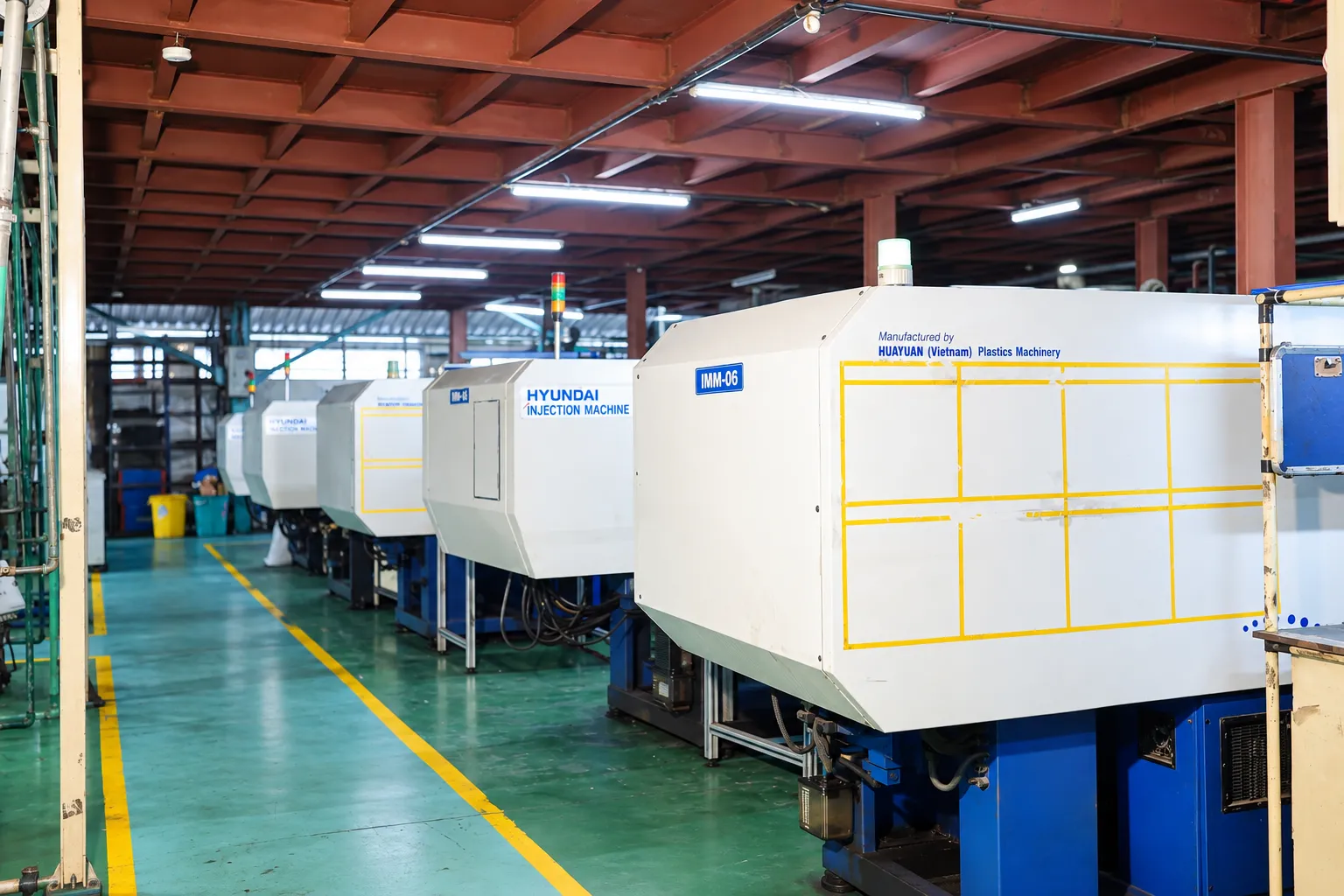 Injection Moulding
What Is Plastic Injection Moulding? A Practical Guide for Design and Sourcing Teams
How injection moulding works, what drives tooling and part cost, and the design rules that decide whether a part moulds well in production.
Read article →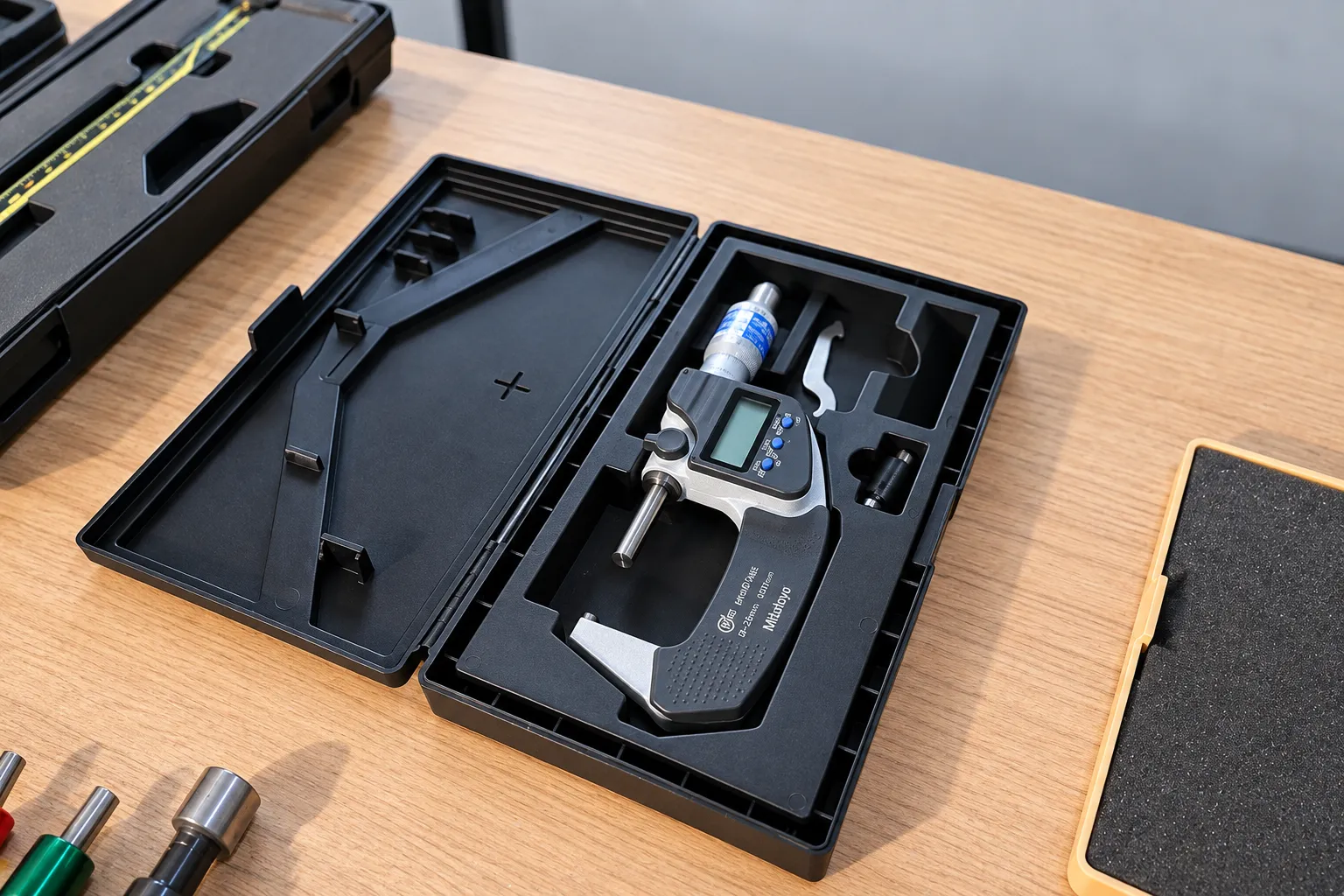 Quality & Materials
Common Injection Moulding Defects: Causes and Practical Fixes
Short shots, sink marks, warpage, flash, weld lines and splay: what each defect tells you about the mould, material or process, and what to check first.
Read article →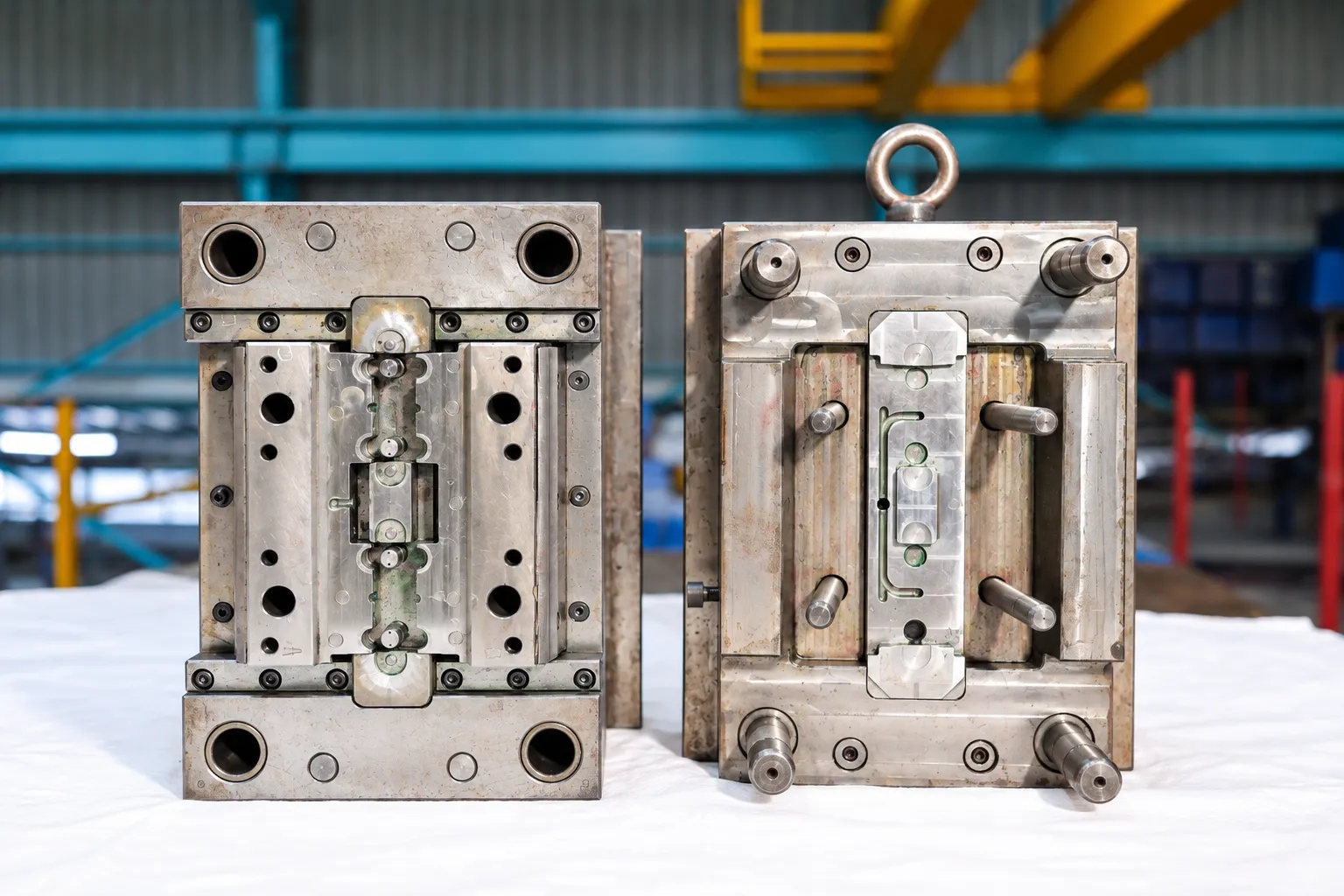 Injection Moulding
What to Send With an Injection Moulding RFQ (and Why Each Item Matters)
What a moulding supplier needs to quote accurately: CAD, drawings, material grade, volumes, tolerances, finish and packaging, and why each matters.
Read article →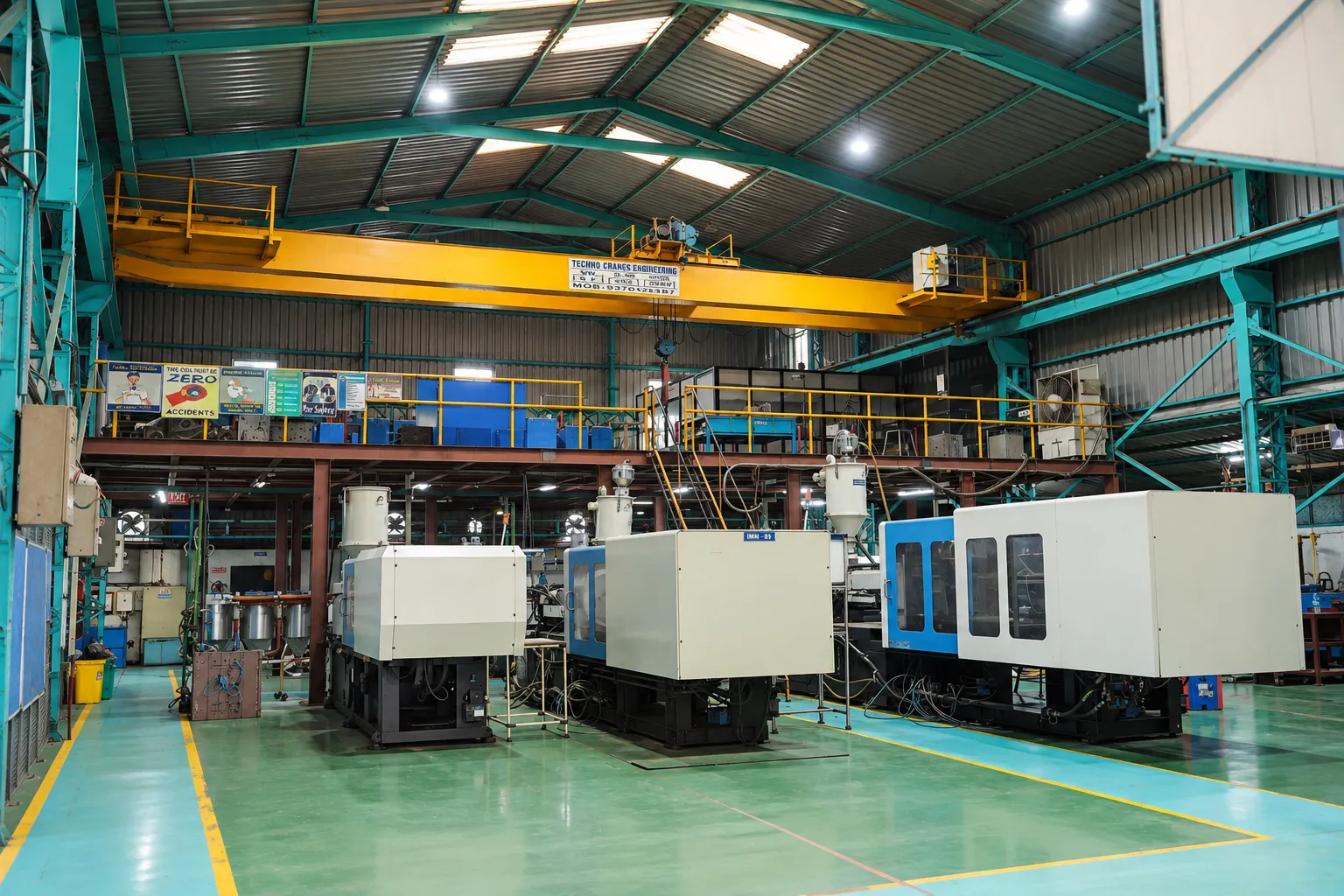 Injection Moulding
How to Evaluate an Injection Moulding Supplier: A Buyer's Checklist
What to examine in a moulding partner: in-house tooling, machine range, metrology, material handling, process records and tool ownership terms.
Read article →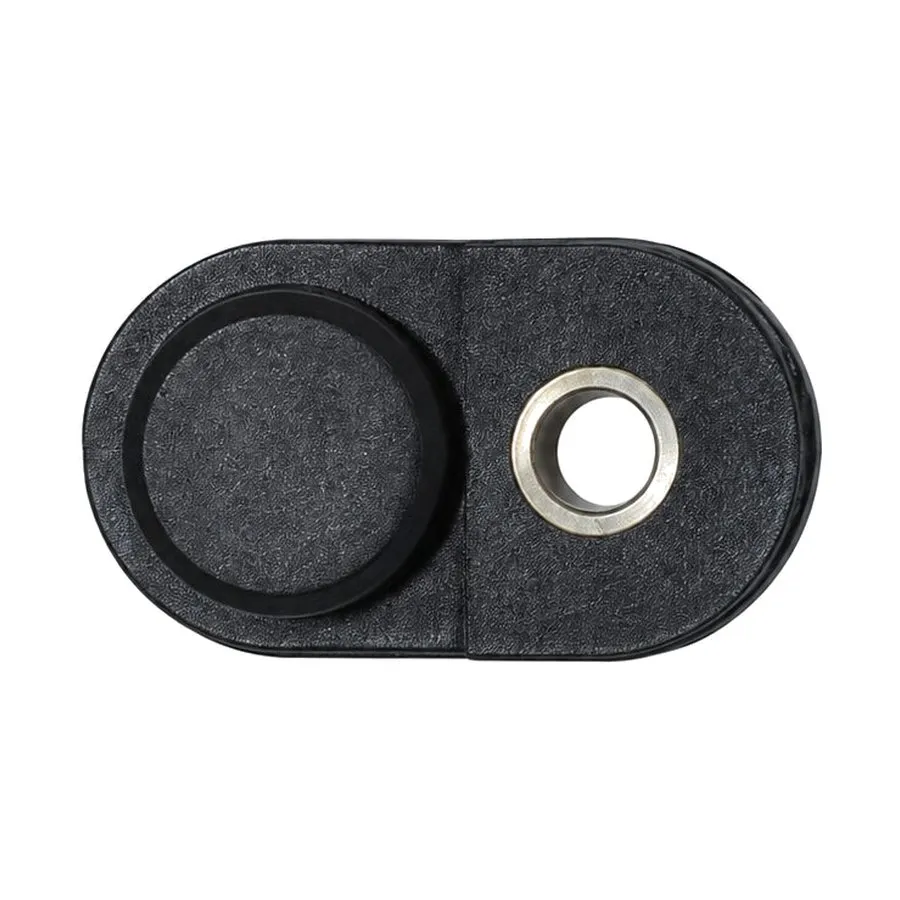 Plastic Components
What Is Insert Moulding? Applications, Design Rules and Common Failures
How insert moulding works, where it removes assembly cost, the design rules that keep metal inserts retained, and the failure modes to design against.
Read article →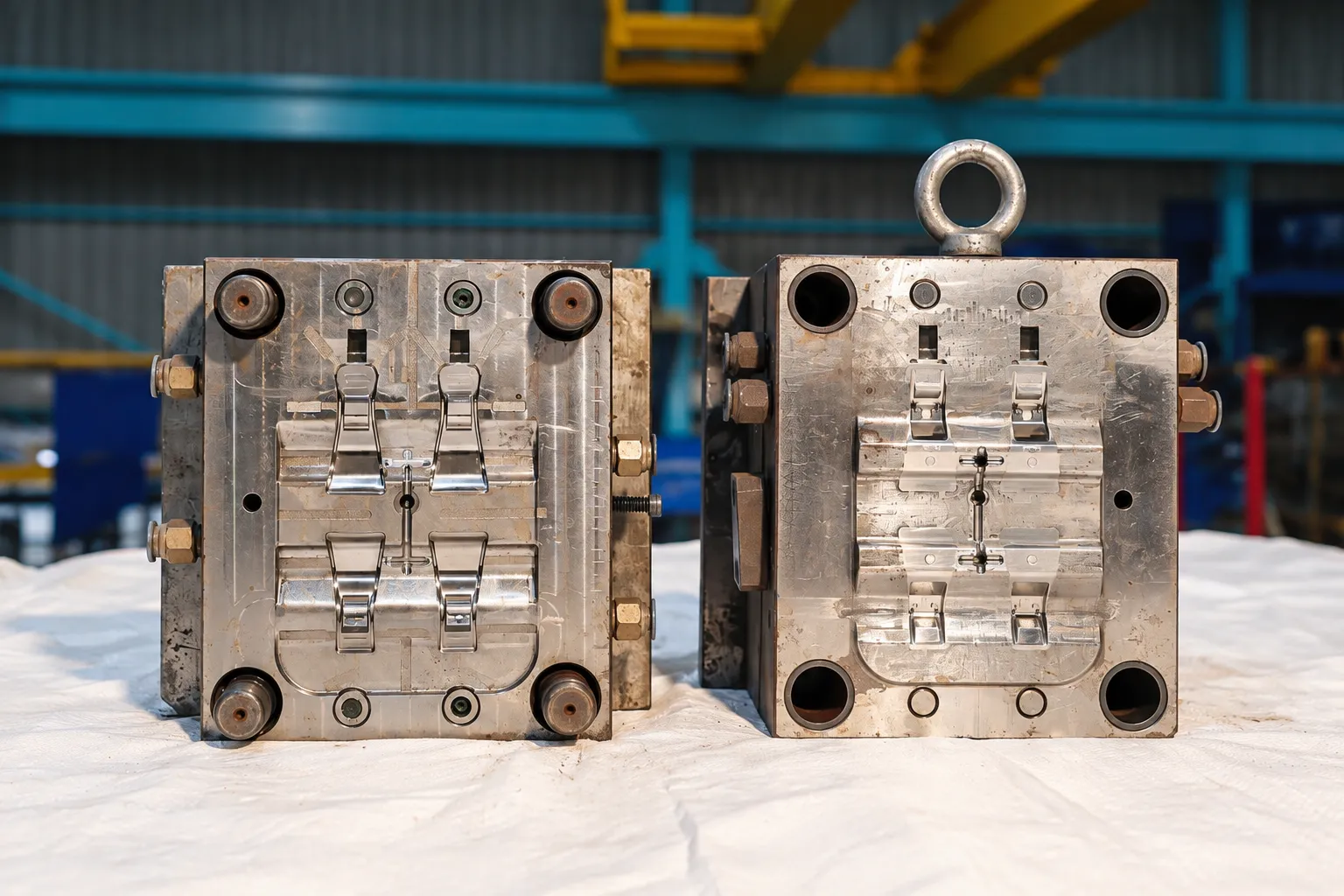 Mould Manufacturing
How an Injection Mould Is Made: From Design Review to First Samples
The stages of building an injection mould: design review, steel selection, CNC machining, EDM, grinding, fitting and first samples, and where schedules slip.
Read article →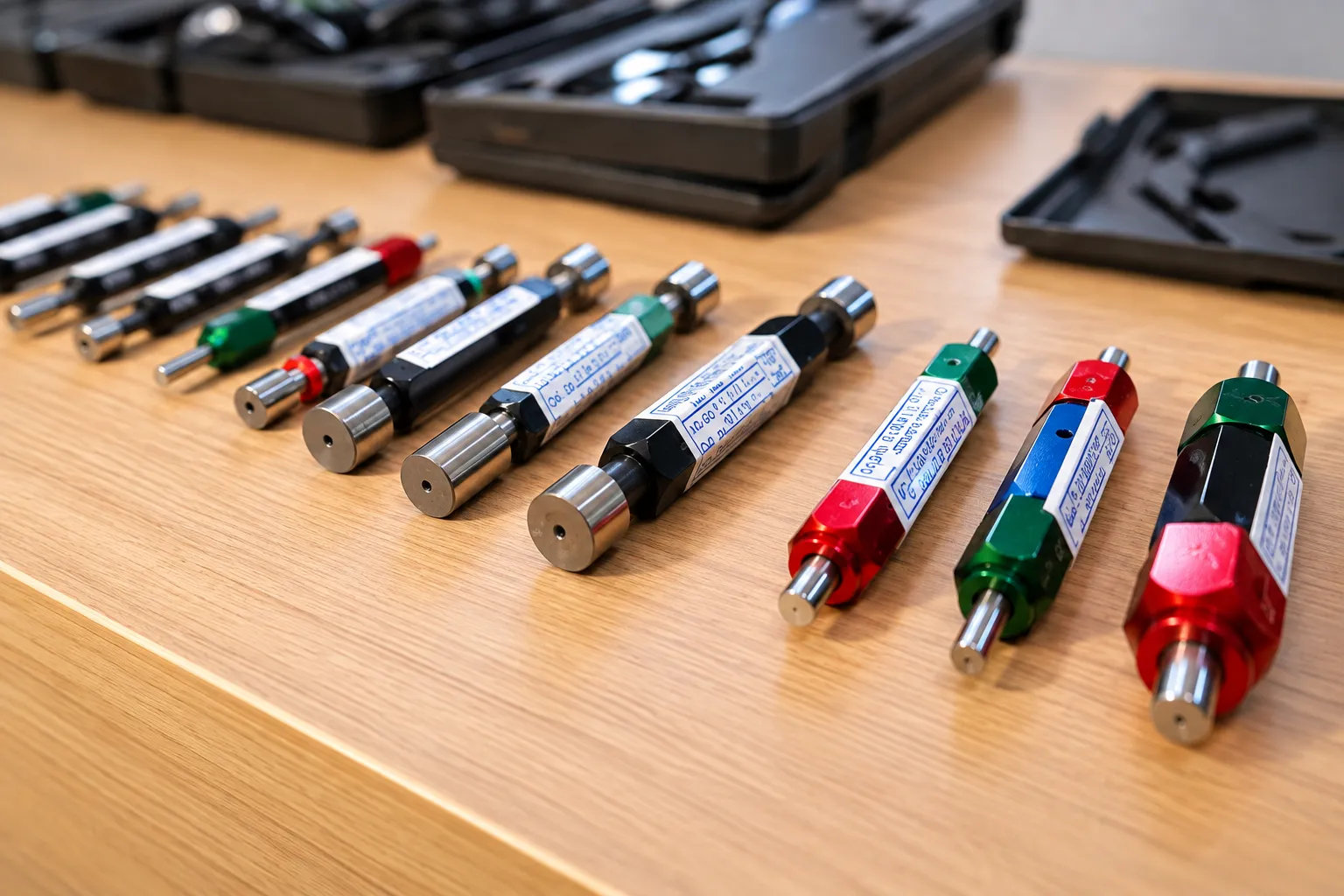 Quality & Materials
Choosing a Plastic for Industrial Components: A Selection Guide
A practical comparison of PA6, PA66, POM, ABS, PC, PBT and PP for industrial mouldings: properties, moisture behaviour and moulding implications.
Read article →